Introduction
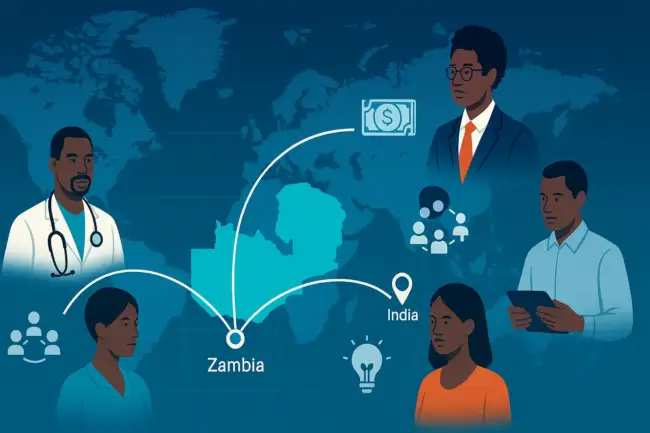
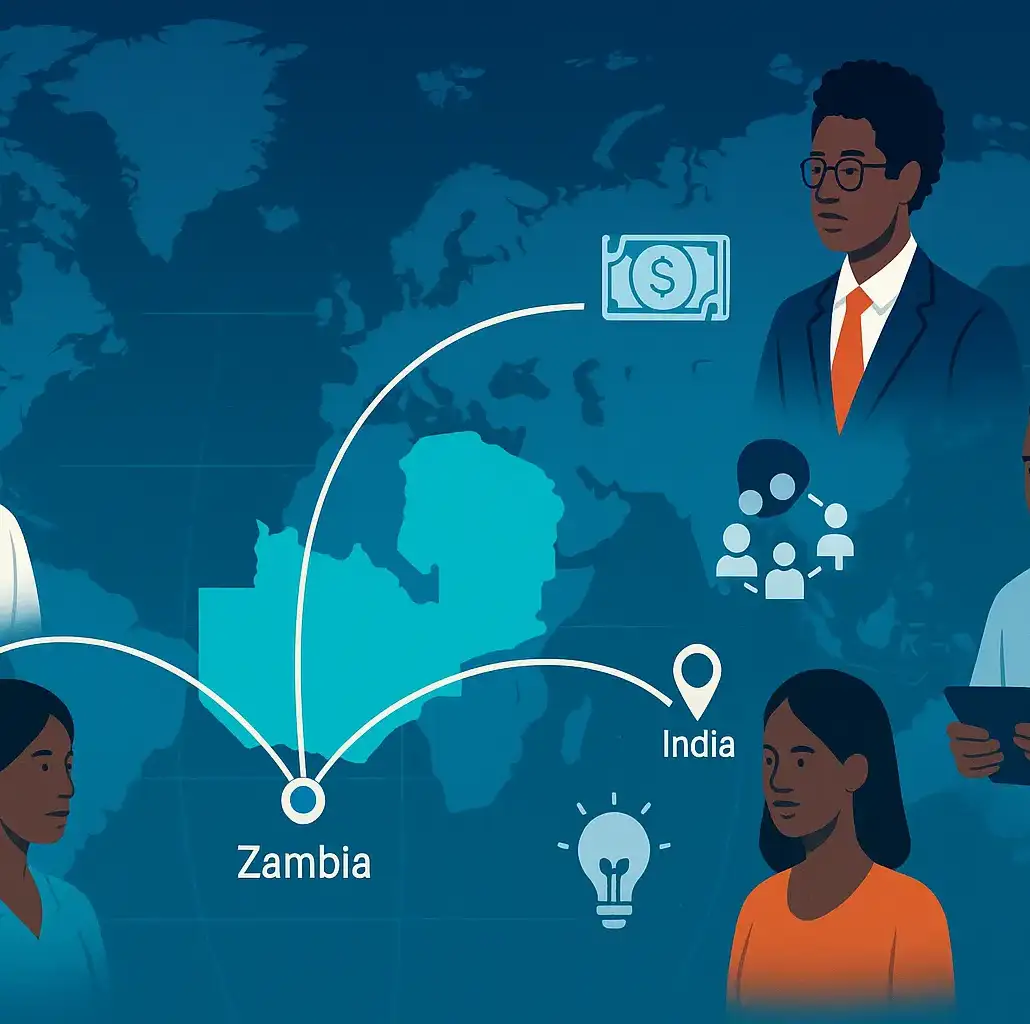
The Zambian diaspora holds immense potential for national development. With tens of thousands of Zambians living abroad, their contributions in the form of remittances, skills transfer, investments, and international networks can play a vital role in advancing Zambia’s economic and social objectives. However, this potential remains largely dormant due to one critical factor: the lack of accurate data on emigration.
In a world increasingly defined by mobility, countries that fail to monitor and engage their diaspora risk losing out on strategic opportunities. For Zambia, addressing the data deficit around emigration is not merely a statistical exercise—it is a development imperative. This article examines the importance of diaspora engagement, the limitations of Zambia’s current data systems, and the urgent need for reforms to better track and collaborate with Zambians abroad.
The Value of Diaspora Engagement
Diaspora communities can be powerful agents of change for their countries of origin. Their contributions span multiple domains:
- Remittances
Financial transfers from Zambians abroad provide a critical safety net for families, support local economies, and contribute to national foreign exchange reserves. - Skills and Knowledge Transfer
Diaspora professionals bring new technologies, innovative practices, and global perspectives to local institutions and industries. - Trade and Investment Links
Diaspora members act as economic bridges, facilitating business partnerships, exports, and startup ventures. - Political Participation
Many countries have enfranchised their diaspora, giving them a voice in governance and national decision-making. - Diplomatic and Cultural Advocacy
Diaspora communities help build Zambia’s reputation abroad, influence policy, and foster cultural diplomacy.
However, to fully harness these benefits, the government must first understand where its citizens are, what they do, and how they wish to be engaged.
The Data Deficit on Zambians Abroad
At present, Zambia does not maintain a comprehensive database of its citizens living overseas. Key limitations include:
- Departure records focus on foreigners: Zambia’s immigration system collects data on foreign nationals entering and leaving the country but does not effectively capture information about Zambian citizens emigrating.
- No mandatory registration abroad: Zambians leaving the country are not required to declare their destination, reason for migration, or duration of stay. Very few register with Zambian embassies once abroad.
- Lack of institutional mandate: No single government agency is tasked with collecting, analyzing, or updating diaspora data.
- Heavy reliance on international estimates: Policymakers often use World Bank or UN data, which may not reflect the full reality of the Zambian diaspora.
According to a 2013 Policy Monitoring and Research Centre (PMRC) report, only 18% of Zambians abroad actively engage with Zambian missions. This low engagement rate severely limits outreach, collaboration, and support.
Implications of Poor Diaspora Data
- Underutilized Remittance Flows
Without understanding how remittances are sent and used, Zambia cannot optimize policies to reduce transfer costs or encourage productive investment. - Missed Economic Partnerships
Lack of diaspora directories and communication channels prevents targeted outreach to investors, professionals, and entrepreneurs. - Limited Policy Inclusion
Diaspora interests and concerns are often excluded from national policy because there is no systematic mechanism for feedback or representation. - Emergency Response Challenges
In times of global crises (e.g., pandemics, conflict), the government lacks tools to assess and assist Zambians abroad effectively. - Brain Drain Without a Return Strategy
Highly skilled individuals leave without clear pathways to reintegrate or contribute from abroad. There is no formal database tracking skills lost to emigration.
The Diaspora Policy and Its Implementation Gaps
In 2019, Zambia launched its Diaspora Policy, aiming to promote engagement and protect Zambians abroad. The policy outlined key commitments:
- Establishing diaspora focal points in embassies
- Creating a diaspora database
- Supporting diaspora investments
- Facilitating remittance flows
- Enabling political participation
While commendable, implementation has lagged. The lack of funding, institutional clarity, and coordination has made it difficult to operationalize the policy’s ambitions. Without data, these efforts remain aspirational rather than actionable.
What Needs to Change
- Designate a Lead Agency
Assign a government institution (e.g., Ministry of Foreign Affairs or Ministry of Labour) with clear responsibility to lead diaspora data management and engagement. - Revise Departure Protocols
Modify border control processes to capture outbound citizen data—destination, purpose, and contact information. - Launch a Digital Diaspora Platform
Develop an online portal where Zambians abroad can register, update their information, and access services. Include features for networking, investment opportunities, and government announcements. - Mandate Embassy Registration Incentives
Offer benefits (e.g., voting access, business support, cultural events) to Zambians who register with their embassies. - Engage Diaspora Associations
Work with existing diaspora organizations to conduct surveys, outreach campaigns, and community mapping. - Integrate Diaspora Data in National Planning
Include diaspora metrics in national development plans and statistical reports. Use the data to shape skills partnerships, knowledge transfer programs, and remittance incentives. - Invest in Research and Monitoring
Fund regular studies on diaspora dynamics, remittance usage, and return migration patterns. Collaborate with universities and think tanks.
Conclusion
Zambia’s diaspora is not a distant population—it is an extension of the nation’s human capital and influence. Yet without the data to know, connect, and collaborate with Zambians abroad, the country risks losing a critical development partner.
A deliberate, data-driven diaspora engagement strategy is no longer optional. It is essential for building a globally connected Zambia that leverages all its people, at home and abroad, for inclusive growth.
Disclaimer: This article is for informational purposes only and does not constitute legal advice. The views expressed are those of the author and do not necessarily reflect the position of YMS Legal.